
High-Performance Pulley Lagging & Lining Solutions
ABEAR Industrial engineers advanced rubber and rubber-ceramic components that deliver superior traction, extended service life, and reduced Total Cost of Ownership — proven in the world’s toughest mining conditions.
The ABEAR Advantage
At ABEAR Industrial, we design for reliability, efficiency, and measurable performance improvements.
Unmatched Service Life
Independent tests and mine applications show up to 12x longer life than leading global competitors
Reduced Total Cost of Ownership
Anti-vibration and anti-resonance tread patterns safeguard bearings, gearboxes, and other critical components
Ease of Installation
CN bonding and HV processes, plus training and contractor support, ensure smooth on-site or off-site application
Innovation Through R&D
Our dedicated HV facility, unique in the industry, sets new benchmarks for quality and turnaround
70+
Loyal Customers
15000m^2
Installed without failure
6
Continents
Featured pulley lagging products
Engineered for performance, ease of installation, and reduced downtime.
Onyx Tread
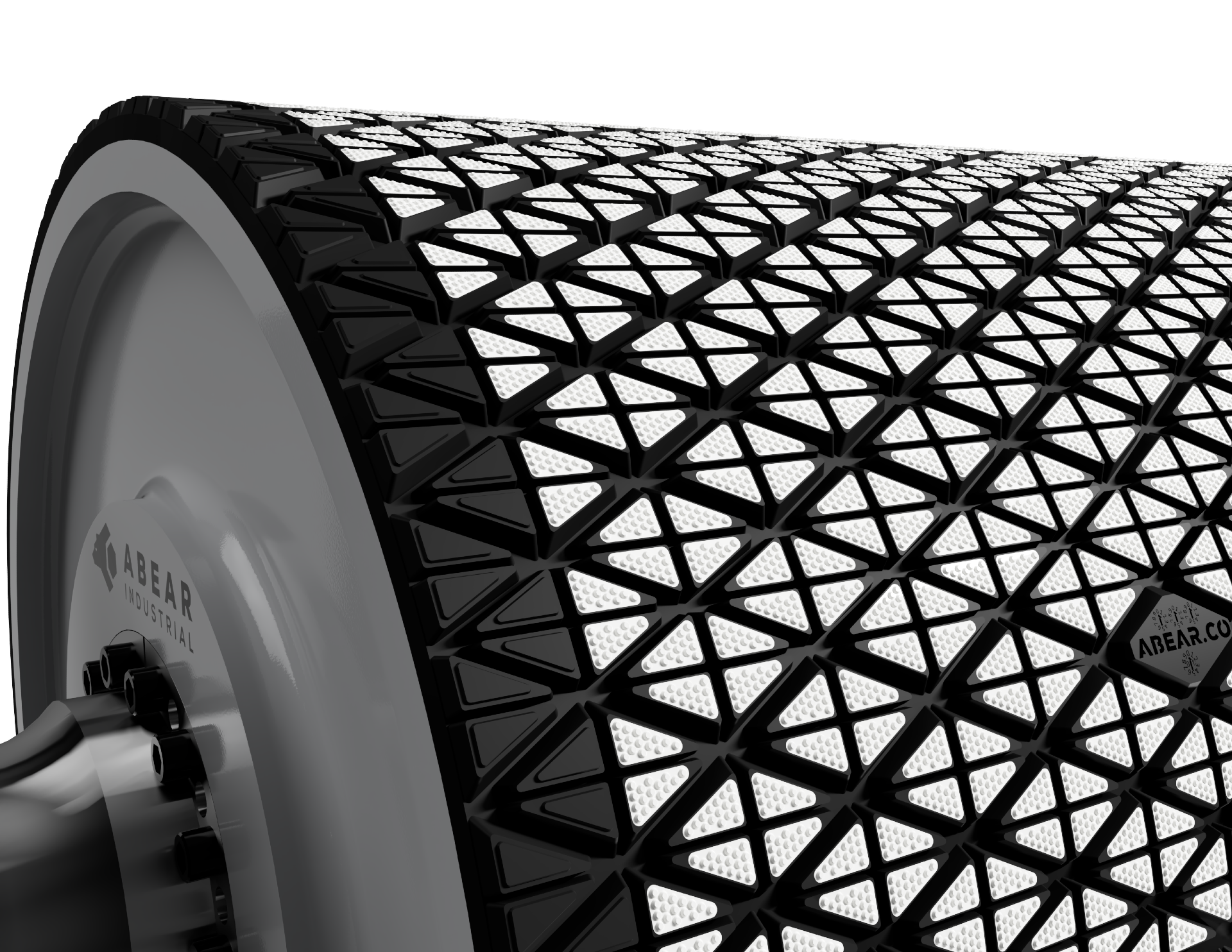
Independent tread blocks with embedded alumina ceramic tiles deliver exceptional traction, belt protection, and easier installation
Independent tread blocks with embedded alumina ceramic tiles deliver exceptional traction, belt protection, and easier installation
Gecko Tread
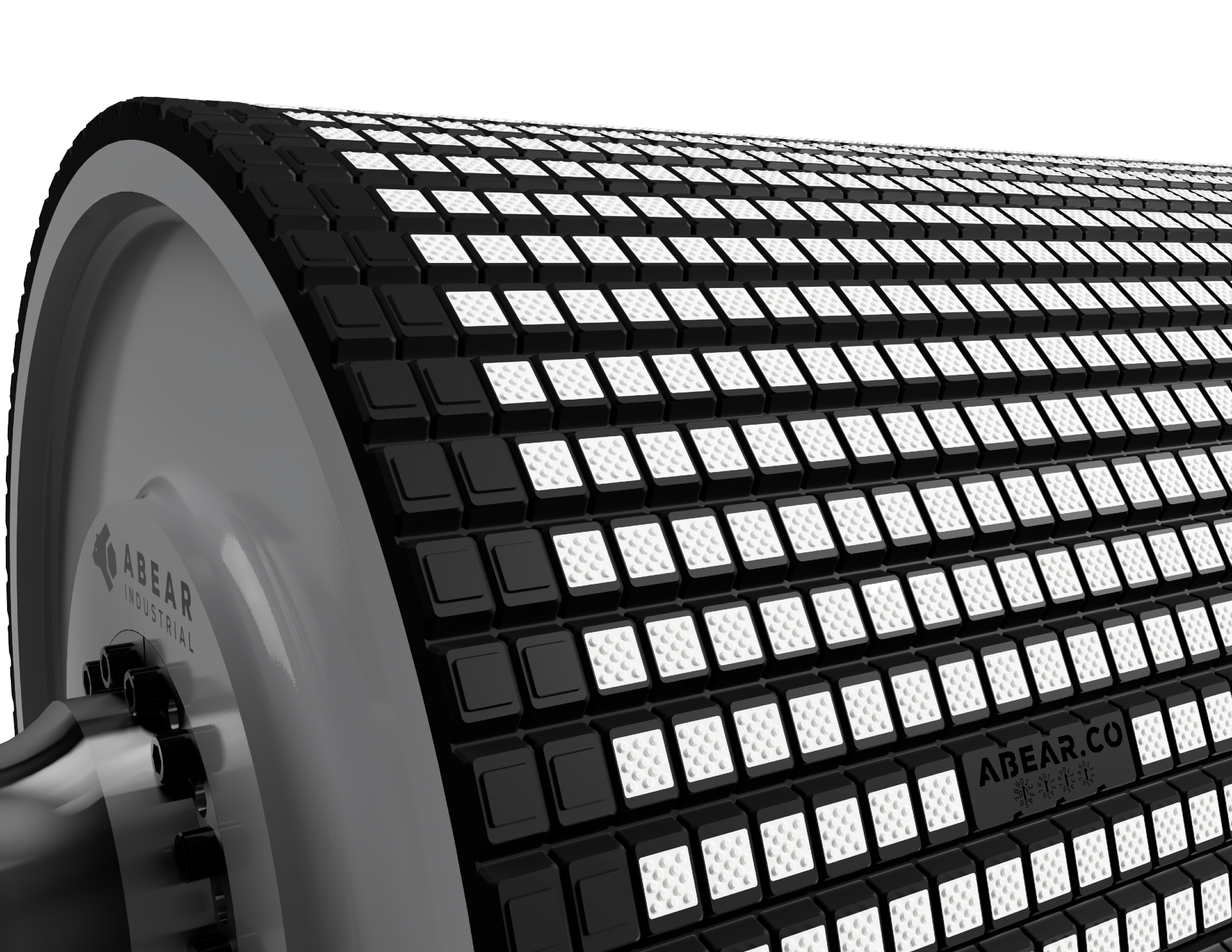
Designed for extreme environments, with semi-independent blocks and deep radial grooves for superior expulsion of water, mud, and fines
Triangle Tread
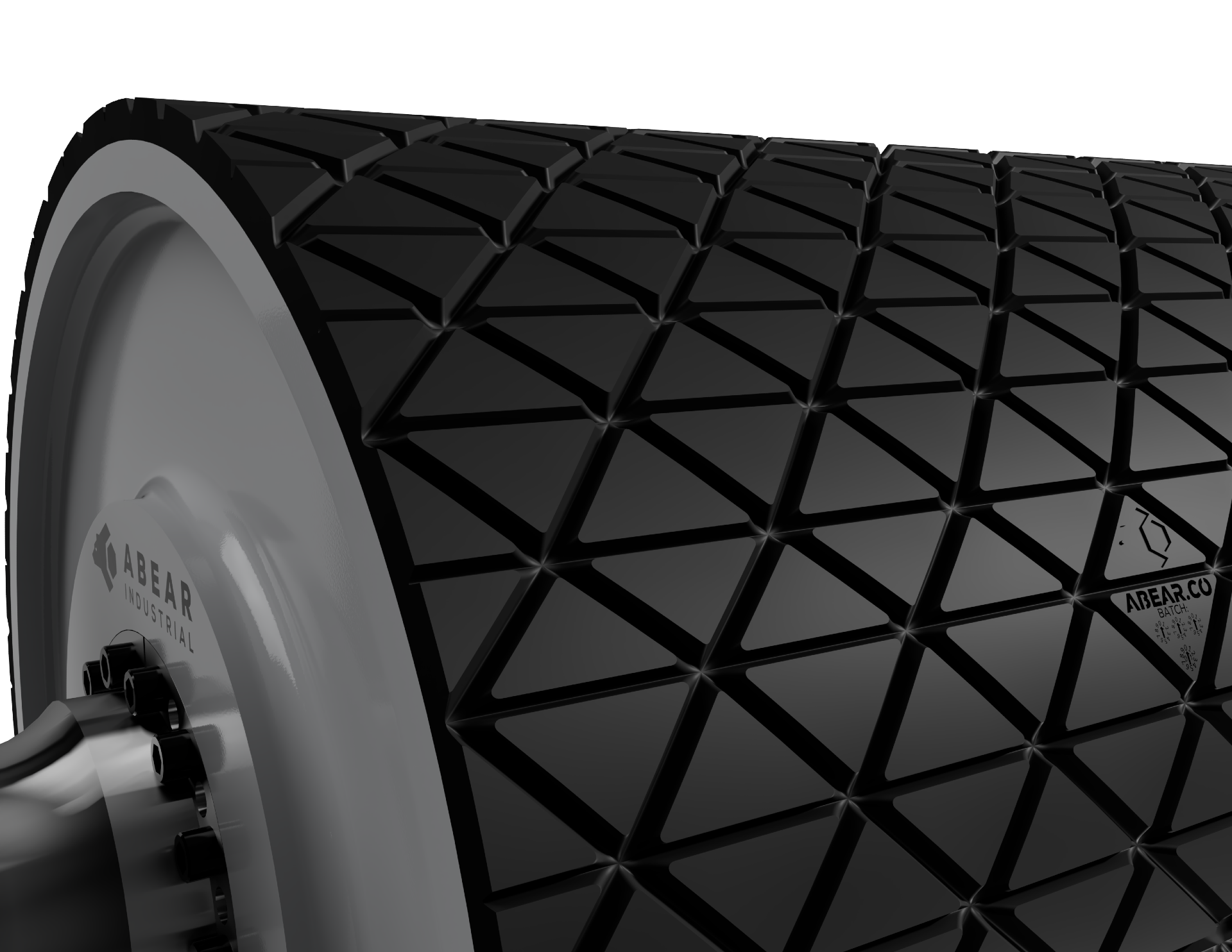
Improved tread with steeper grooves, smoother tracking, and vibration reduction for high-speed conveyors
Improved tread with steeper grooves, smoother tracking, and vibration reduction for high-speed conveyors
Diamond Tread
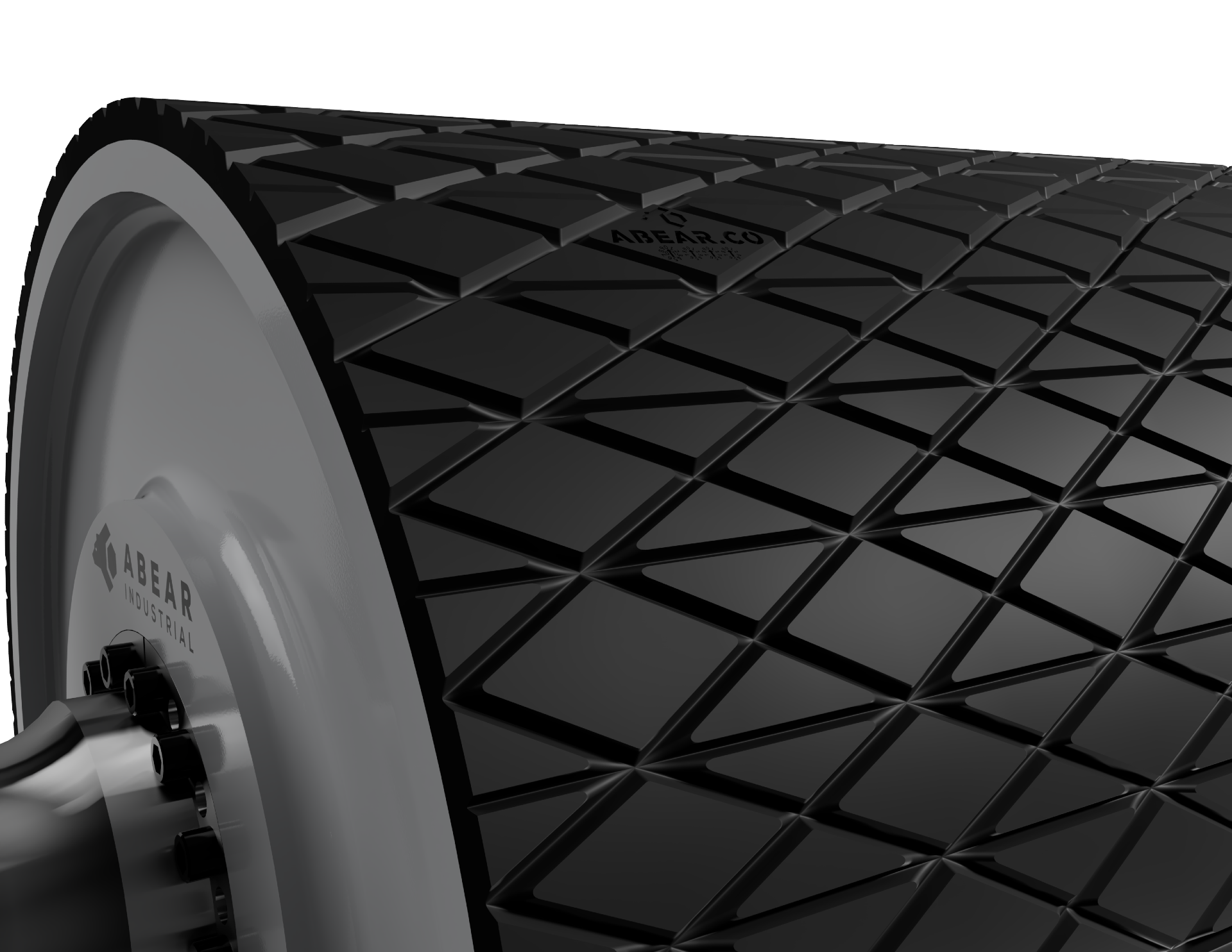
A refined version of the classic diamond pattern, with variable tread blocks for smoother operation
Featured ABEAR products
Engineered for performance, ease of installation, and reduced downtime.
Rubber-Ceramic Liners
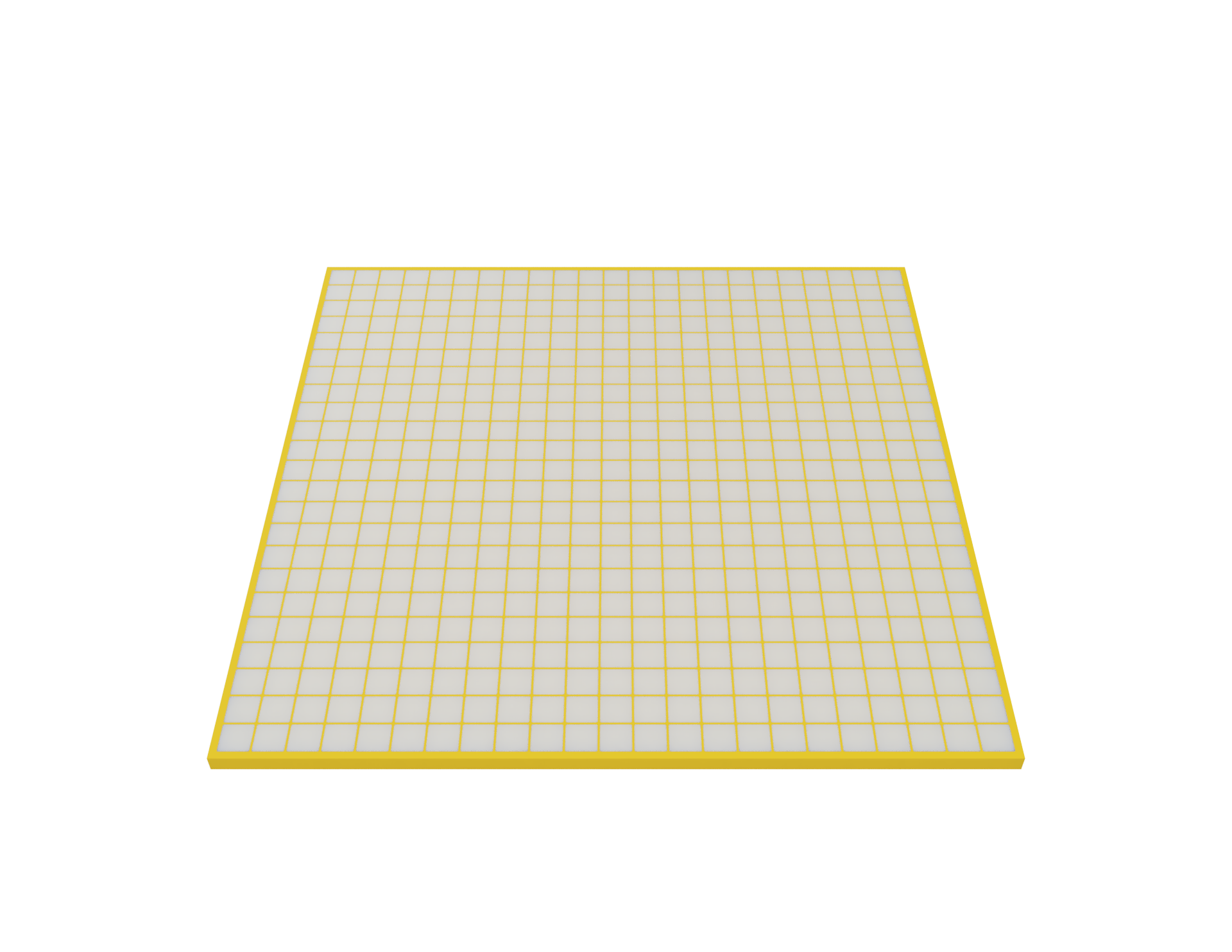
Extreme durability, combining rubber flexibility with ceramic strength; delivering superior wear and impact resistance for pipe bends, chute lining, and many other applications
Lining Rubber
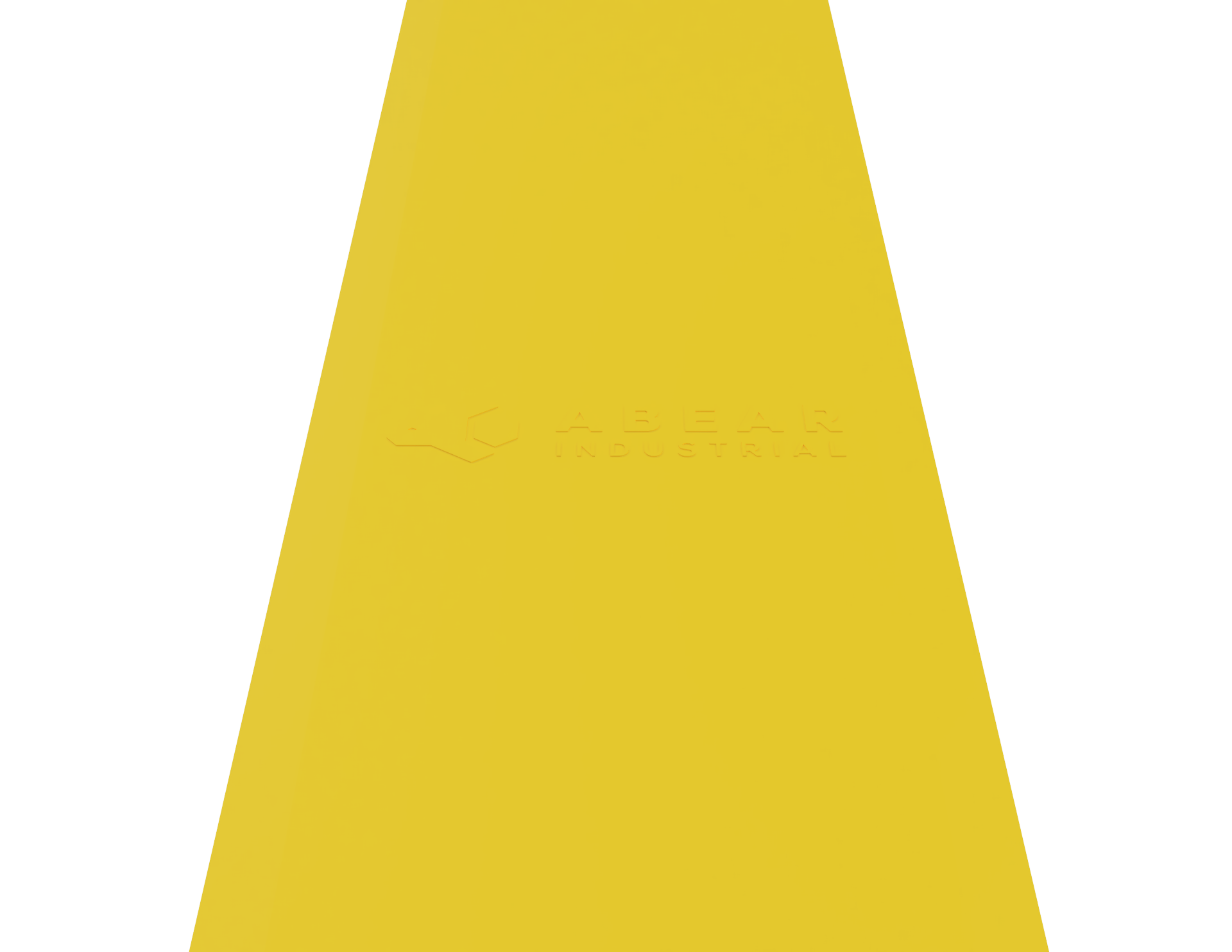
Pre-chamfered edges ensure faster, cleaner installation, while specialised compounds - acid-resistant, wear-resistant, or high-temperature -deliver reliable protection
Conveyor Repair Strips
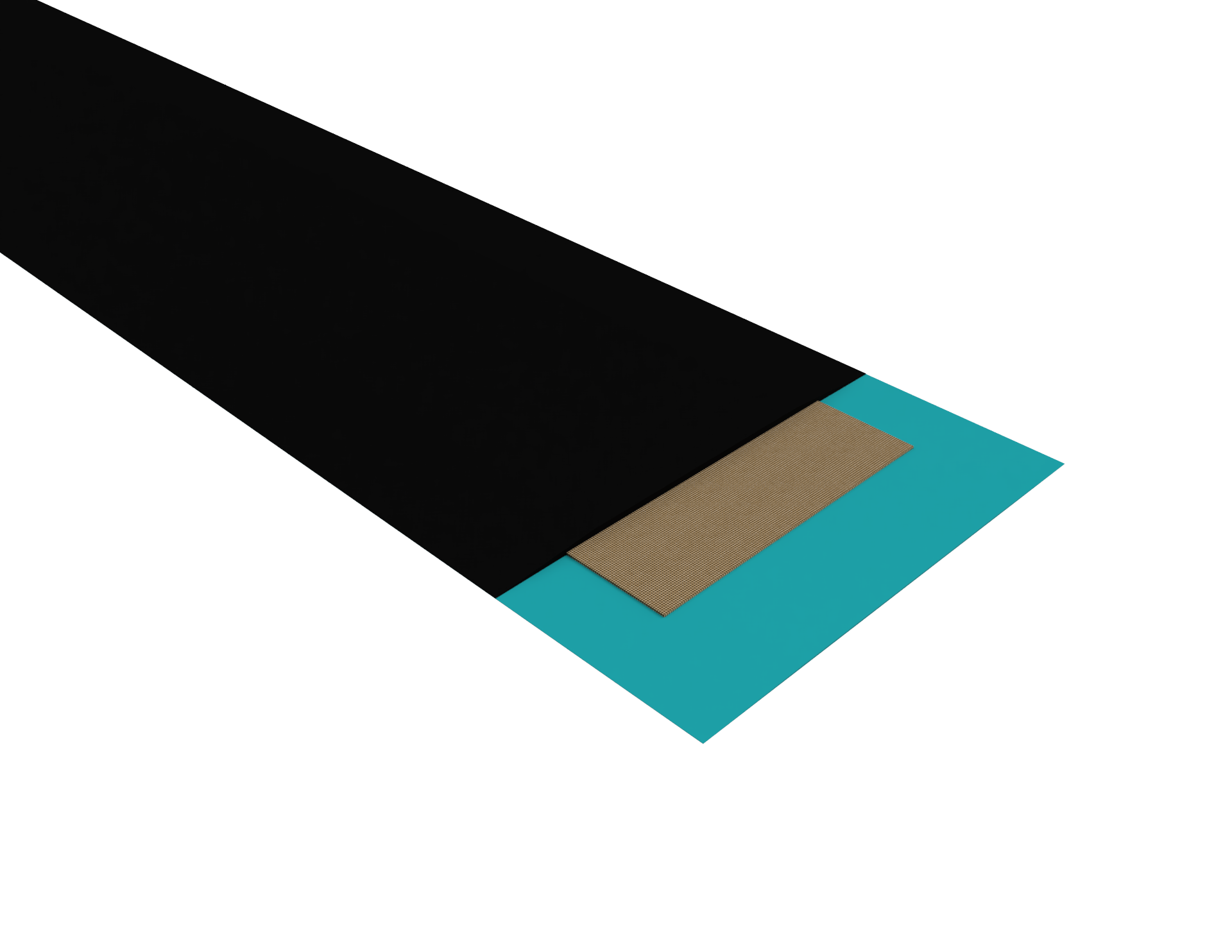
Fast, reliable fixes - ideal for repairing longitudinal belt tears or sealing cold splices, restoring conveyor function with minimal downtime
Lining Solutions
All our rubber lining processes are the industry leading lining process and are all supported by the same rigorous standards:
- Heavy-lift capacity: 10-ton overhead crane (currently being upgraded to 20 tons).
- Surface preparation: Steel grit blasting in a dedicated booth with automated grit recycling, filtering, and washing.
- Quality assurance: Strict control of surface preparation, roughness, and coating thickness.
- Traceability: Full traceability of materials and adhesives.
- Dedicated teams: Skilled personnel and designated workstations ensure consistency and accountability.
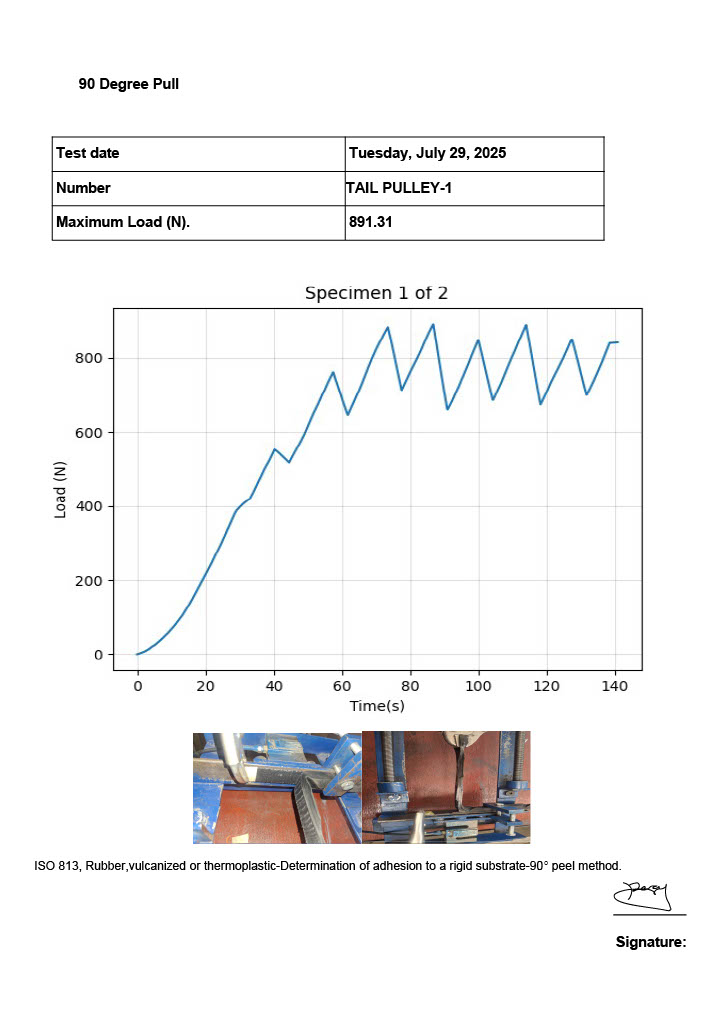
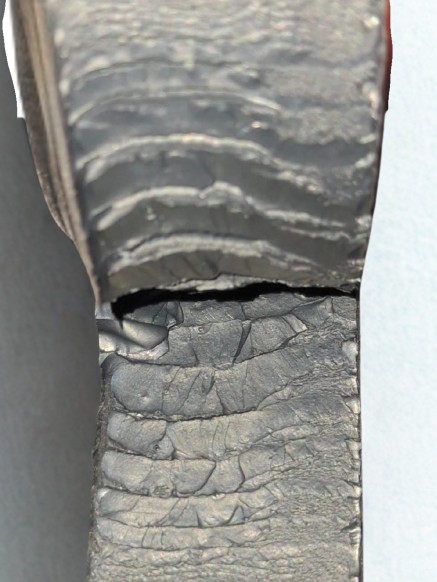
Developed through rigorous research and development, our HV process is one of ABEAR Industrial’s defining innovations; setting the industry benchmark for bond strength, consistency, and overall product performance.
The process involves hot vulcanising press-cured sheets directly to the substrate. Press-cured sheeting ensures precise tread designs and consistent thicknesses, while the HV autoclave process delivers uniform, high bond strengths.
Our unique approach, operating at lower temperatures and higher pressures, achieves 100% rubber-tear bond strengths exceeding 25 N/mm across the substrate.
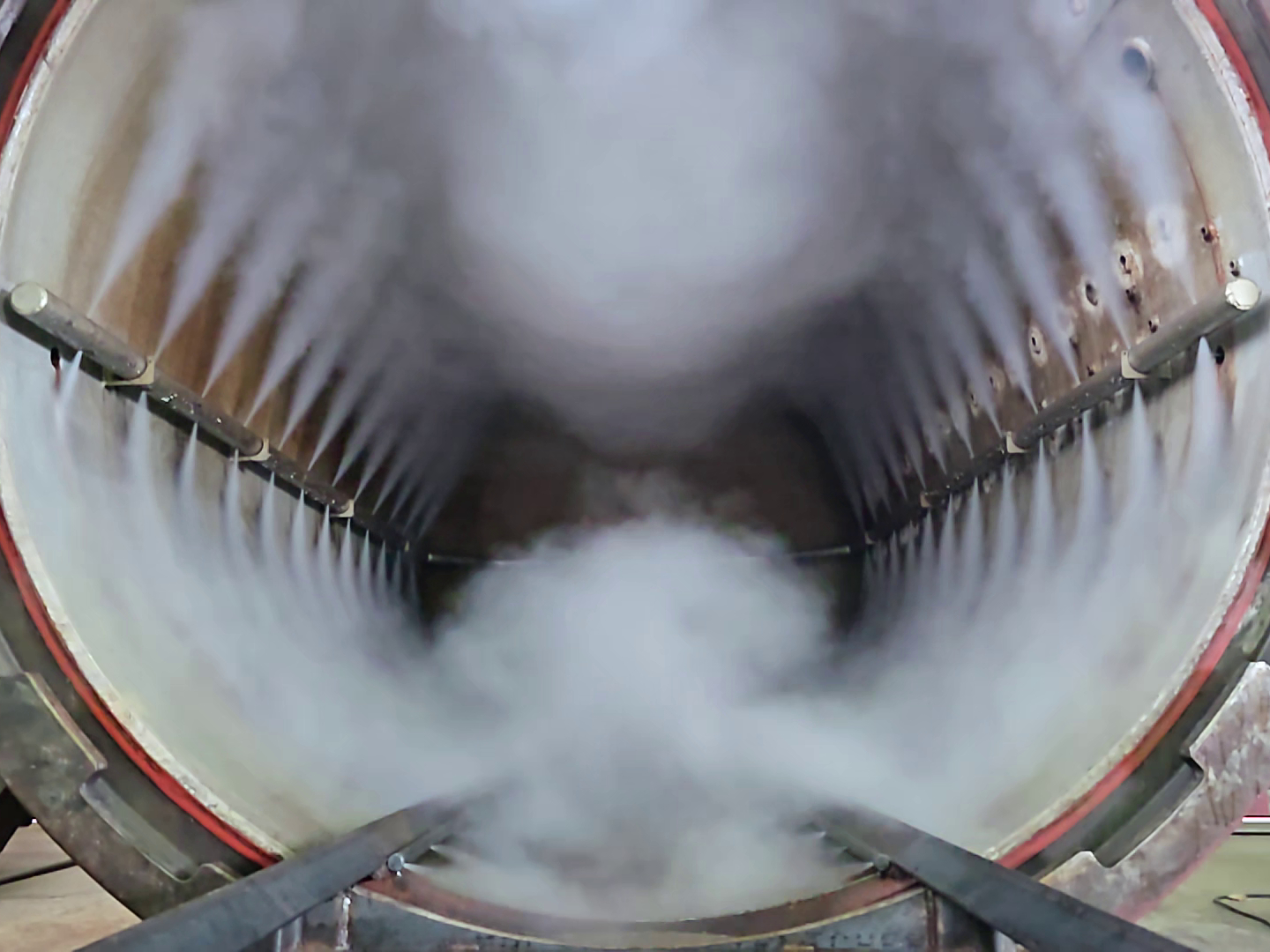
Traditional steam curing involves applying uncured rubber sheeting directly to a substrate. We recommend this method for specific applications such as pipes, tanks, one-off jobs, and complex geometries.
Our advantage lies in applying the knowledge and refinements gained from our HV process to steam-cured lining, resulting in exceptional quality, superior finishing, and consistent sealed joints.
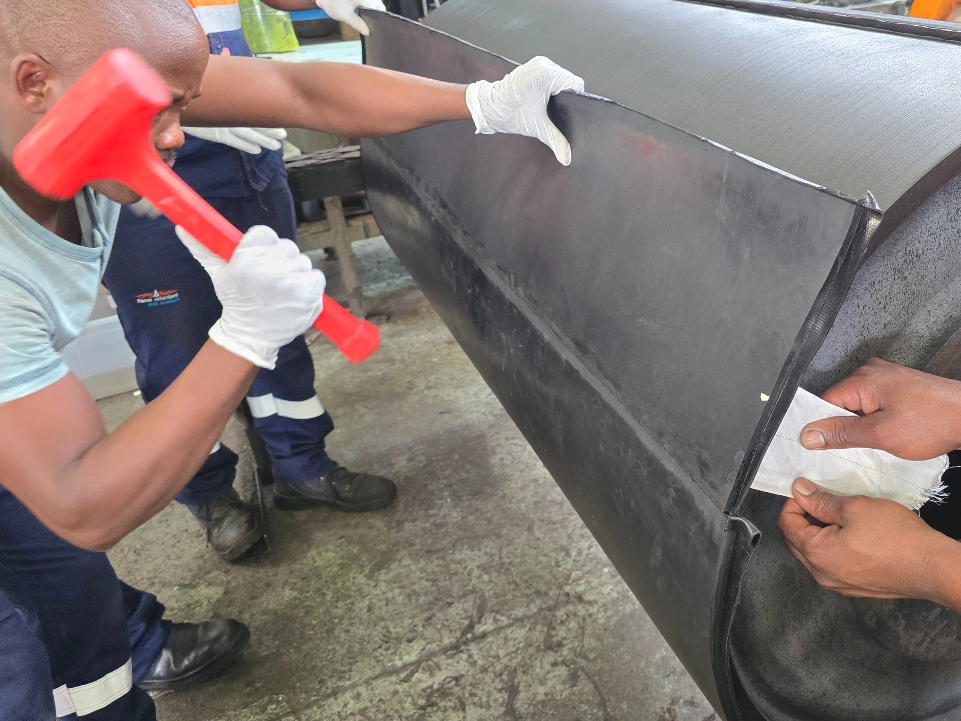
Cold bonding is where ABEAR Industrial began. Years of research and development went into our CN Bonding Layer, and we rigorously test all adhesives we resell, use, and recommend. Standard bond strengths exceed 20 N/mm, ensuring dependable performance.
The key advantage of cold bonding is flexibility: it enables intricate tread designs, maintains consistent thicknesses, and can be applied in-situ, delivering the fastest possible turnaround times.
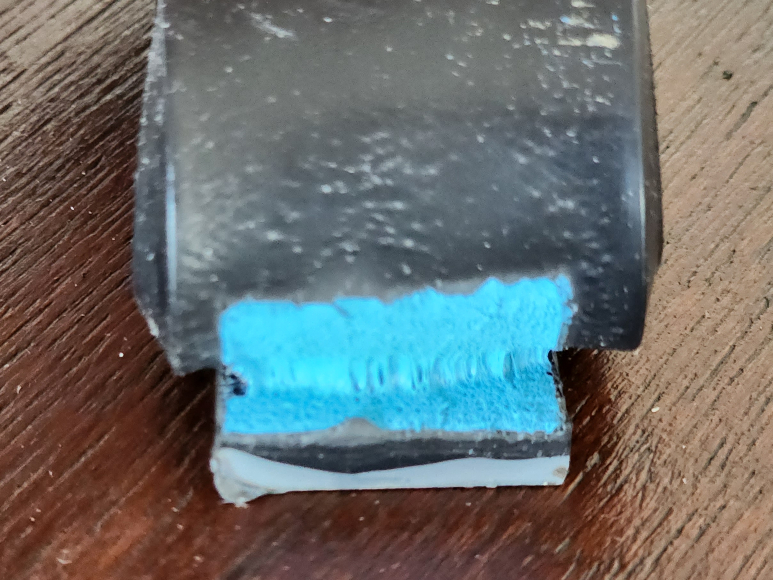
ADDITIONAL SERVICES
eNGINEERED lINING sOLUTIONS
Certain applications demand more than off-the-shelf options: they require new designs, tooling, processes, and materials. This is where we excel. By working closely with industry experts, suppliers, and clients, we develop tailored solutions that consistently exceed expectations.
Case STUDY
Cobre Panamá
Due to the scale and tonnages at Cobre Panamá, this was a particularly demanding application for Pulley Lagging. Competing global products lasted only three to four months, whereas our coldbonded, in-situ lagging performed for four years - right up to the mine’s closure. As a result, we became the exclusive supplier.
Articles
Technical Insights
We believe in engineering transparency. From cold bonding vs steam cure to anti-resonance protection, our technical library helps engineers and buyers make informed decisions.
Plain Pulley Lagging Should be Avoided
How it doesn't work in the real world
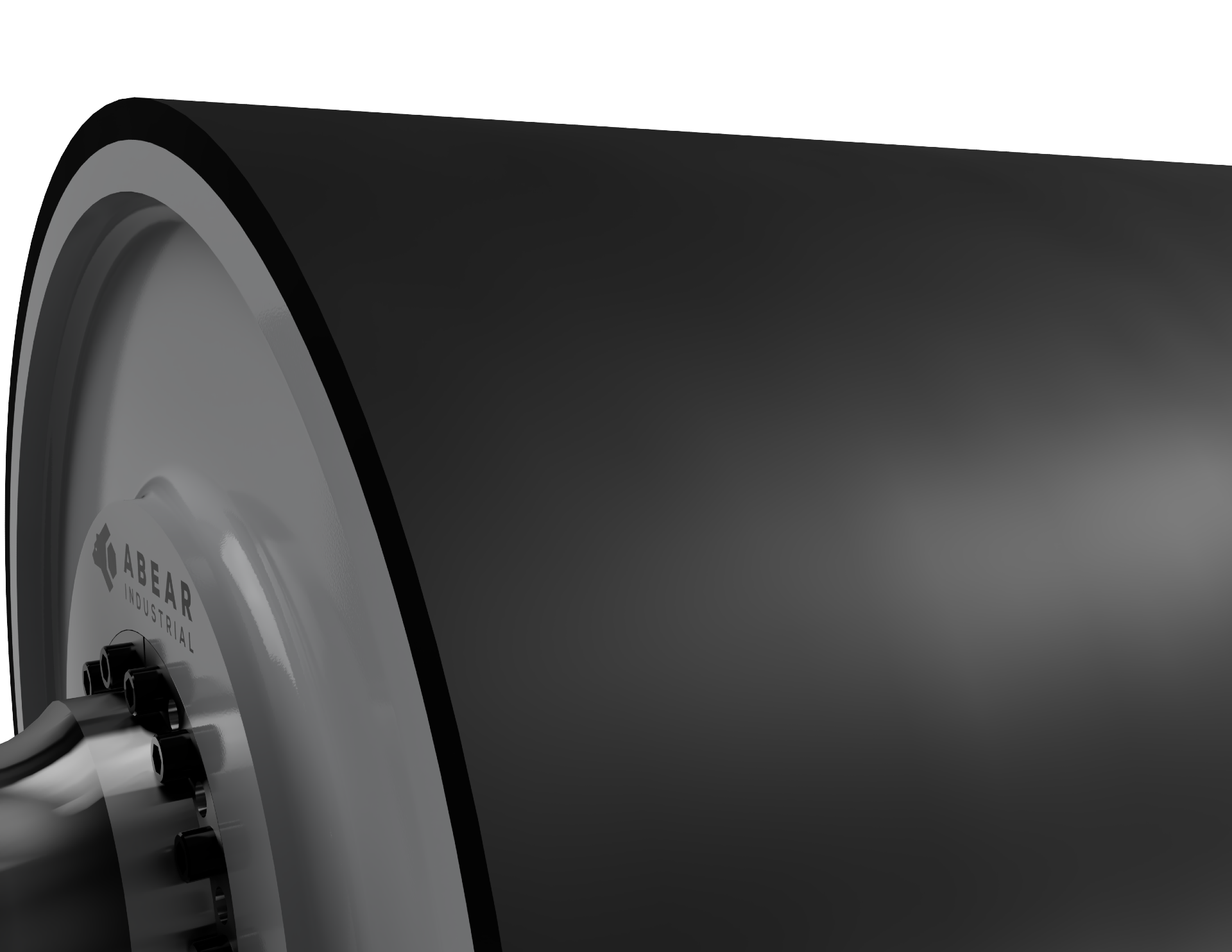
We strongly advise against the use of plain pulley lagging in almost all conveyor belt systems. It is an outdated product that, unfortunately, is still sometimes specified by certain engineering design houses.
This article explains the science behind our recommendation and details why plain lagging should be avoided in favour of modern, engineered solutions.
Understanding Rubber Specifications
Where to use what and why
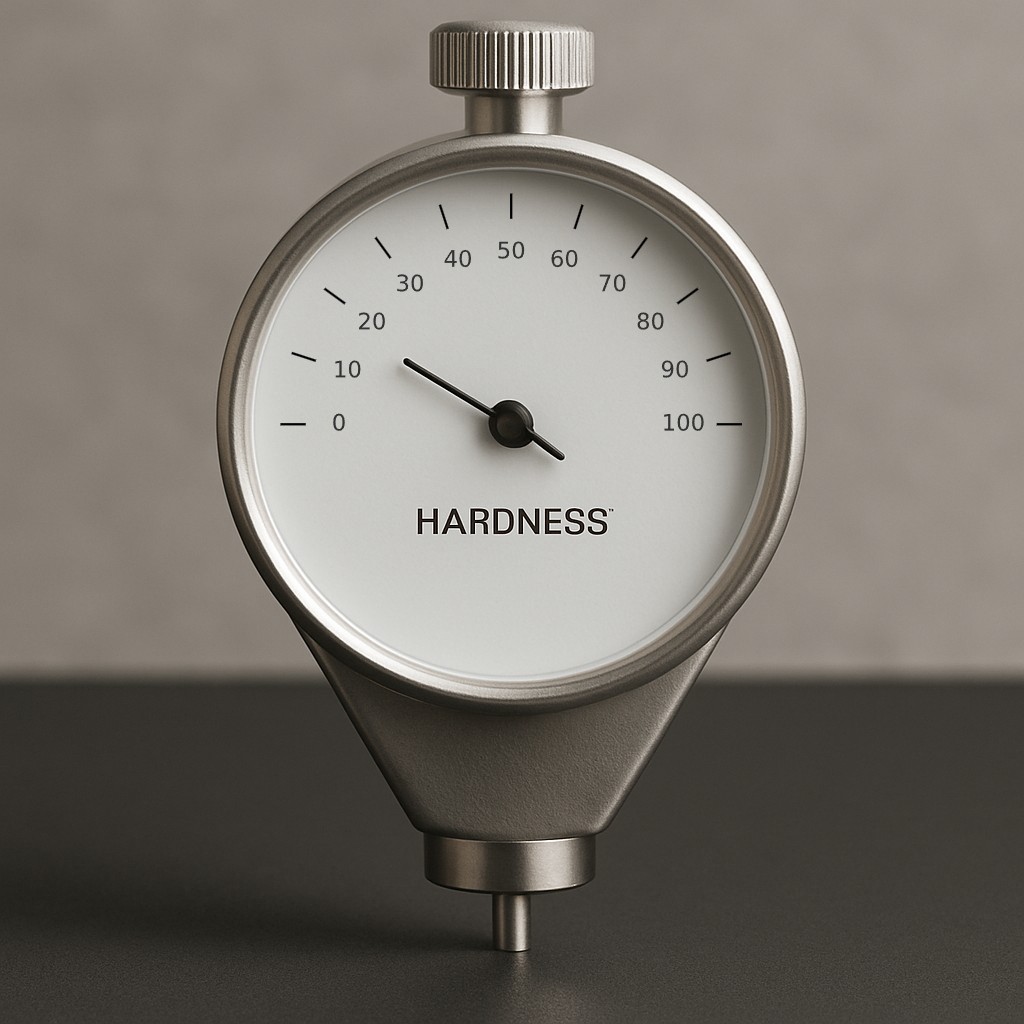
Rubber compounds are not universally defined, which often leads to misconceptions about their performance. Standardised testing methods also vary between regions and, in many cases, do not correlate well.
This article outlines some of the key properties of rubber and provides guidance on what to consider when assessing compound options; helping buyers and engineers make informed, reliable decisions.